


Lyft Driver
4.849.21K Reviews
App Specs
- Version
- 2026.32.3.1787124369
- Updated On
- License
- Free
- Downloads
- 5,000,000+
- Developer
- Lyft, Inc.
- Categories
- Business
- Platform
- Android, iOS
Screenshots
 Analysis by AppCompare
I see Lyft Driver as a practical work app rather than a shortcut to easy money. It puts the basic pieces of rideshare driving in one place, but the real value depends on whether driving fits your schedule, vehicle costs and comfort with passengers. I’d consider it if I wanted flexible work and already had a realistic plan for the time and expenses involved; I wouldn’t treat an appealing app screen as a promise of steady income.
What the app is built to do
Made by Lyft, Inc., Lyft Driver is a free business app for people who want to drive with Lyft. It has a 4.8 average from around 229,000 ratings, and it has passed 5 million installs. Those figures suggest a widely used service, though they can’t tell you whether there will be enough suitable trips in your own area or whether the work will suit you.
The app is rated for Everyone, but that describes its content rating, not who qualifies to drive. It was released on May 4, 2017, and the current version is 2026.20.3.1779866593, with Android 9 as the minimum OS. The short version of its appeal is straightforward: it is meant to help drivers get started and manage the working parts of a Lyft shift.
A sensible way to approach a first shift
Before going online, I’d use the onboarding checklist as a readiness check rather than race through it. Confirm that the account steps are complete, review the safety guidance, and get comfortable locating the help option before accepting a ride. That small bit of preparation matters more than learning every screen: when you’re parked and calm, it’s easier to remember where to look than when you’re trying to handle a pickup.
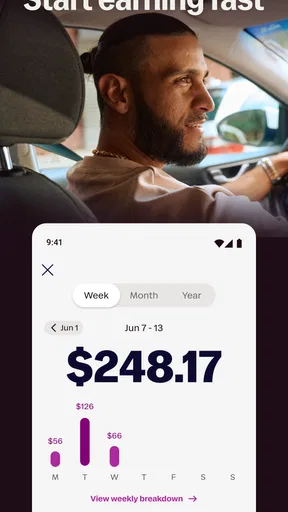
I’d also decide in advance how long I’m willing to drive and what would make me call it a day. A busy-looking area can be tempting, but repositioning costs time and fuel. A useful personal test is to compare the earnings shown in the app with the hours spent driving and waiting, then consider vehicle expenses separately. The earnings view helps organize the numbers; it doesn’t remove the need to judge whether the shift was worthwhile.
Where it feels most useful
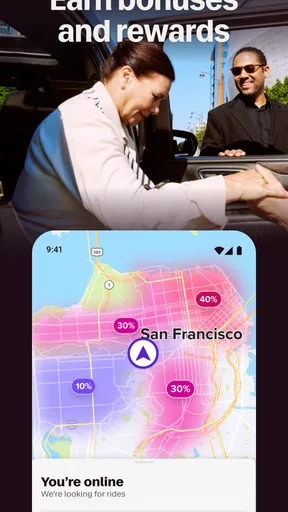
The strongest case for the app is a driver who needs control over when to work. Someone with a few free evening hours, a changing weekly schedule or a weekend window can use that flexibility without committing to a fixed shift. Demand information can help with deciding where to wait, while the earnings screen gives a way to review how a session went. I’d treat demand areas as a prompt to consider, not an instruction to chase every highlighted spot.
For example, imagine I have two hours free after another commitment. I can open the app, check whether driving makes sense that evening, and choose whether to go online. If requests are slow, I can stop rather than turn a short opportunity into a long, unplanned wait. That ability to make a small, deliberate shift is more persuasive to me than the idea of always being available.
Worth Reading Before You Choose

EA SPORTS FC Mobile 26 Is a Bigger Football Game, but It Takes Time

Flipboard Shows What News Apps Must Do Beyond the Feed

Switching to Android Auto Means Rethinking Your Driving Routine

Google Calendar Makes a Crowded Week Easier to Manage

Ludo King Makes the Most of the Minutes Between Plans

Baby Panda World Brings Quick Play to Modern Phones, but Its Game Library Feels Busy
Safety, navigation and the human side
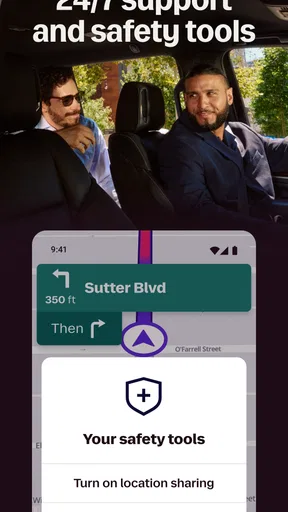
The safety guidance and emergency help option are useful parts of the driver workflow, particularly for someone new to carrying passengers. I’d take time to understand the available help before a shift, and I’d keep passenger communication focused on pickup details and practical requests. These tools can support a safer, more orderly experience, but they don’t replace attention, sound judgment or following local driving rules.
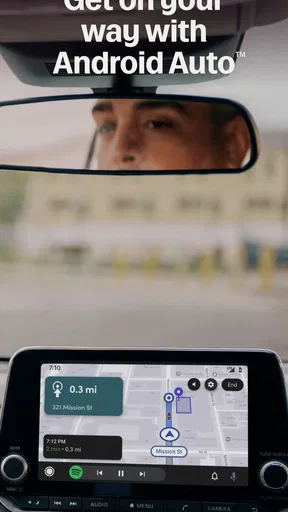
Navigation is another important part of the routine. The built-in option may be convenient when I want fewer app switches, while connecting to Google Maps or Waze gives me a familiar alternative if I prefer their directions. Either way, I’d set the route while stopped and avoid fiddling with navigation in motion. A route suggestion is a guide, not a reason to ignore road signs, traffic or a safer turn.
Pickup instructions can make a real difference in busy places. If a rider gives a landmark or a precise meeting point, checking the message before reaching the curb can prevent a confusing loop around the block. Ratings and feedback add accountability, but I wouldn’t let one rating dictate how I drive or communicate. They are one signal about an interaction, not a complete measure of the work.
Where I’d be cautious
Flexibility is real, but it can be mistaken for predictability. The app can help me choose when to drive; it can’t make every chosen hour equally productive. Demand can vary, and time spent waiting or moving toward a busier area still affects the value of a shift. I’d be wary of making major financial plans based on a strong day or a suggested busy zone alone.
There is also a learning curve in balancing the app with the road. New drivers may have to manage requests, navigation, pickup messages and a passenger while staying attentive. The interface can organize these tasks, but it cannot make multitasking harmless. If using a phone while driving feels distracting, I’d pause somewhere safe before interacting with it, or reconsider whether this kind of work is comfortable for me.
The earnings display is helpful for tracking what the app reports, yet it should not be confused with take-home profit. Fuel, wear on a vehicle and time between rides matter to a driver’s own calculation. I’d review a few shifts before deciding whether the work is paying off, rather than judging by a single total or assuming an incentive will be available whenever I want one.
How it compares with other ways to drive
Compared with trying to arrange paid rides informally, Lyft Driver gives the driver a structured place to manage ride requests, navigation, communication and earnings. That structure is its main advantage: I don’t have to invent a separate process for every part of a shift. On the other hand, it is specifically for driving with Lyft, so it is not a general dispatch tool for every rideshare service or a substitute for comparing local work options.
A person choosing between rideshare apps should weigh the actual opportunities and working conditions available to them, not just which interface looks friendlier. If another service is more active in the places and hours they can work, that may be the better fit. If they want predictable scheduled hours, a conventional part-time job may be a better alternative altogether. Lyft Driver makes most sense when the driver values choice over schedule and accepts that demand and earnings can fluctuate.
Your New Driving Companion
Once you download the Lyft Driver app, setting up your account is a breeze. I found the interface to be pretty intuitive, guiding me through the process of verifying my details and getting me up and running in no time. The app provides a step-by-step checklist, which is super handy if you’re new to this gig.
One thing that really stood out to me is how the app prioritizes safety. Before you even start, Lyft ensures you’re familiar with their safety guidelines, and there’s an emergency feature that allows you to call for help if needed. It definitely gives you peace of mind, knowing there’s a backup plan just a tap away.
Getting the Wheels Turning
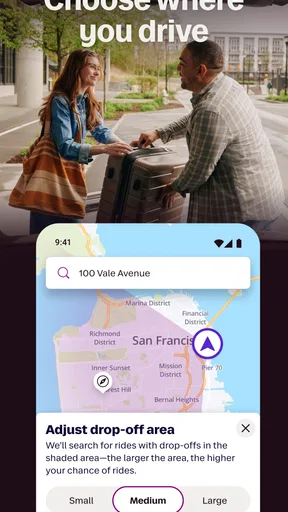
Now, onto the good stuff—making money! You can choose when and where you want to drive, which is fantastic if you’re juggling other responsibilities. The app shows you areas with high demand, so you know where to head for more ride requests. It’s like having a secret map to the treasure!
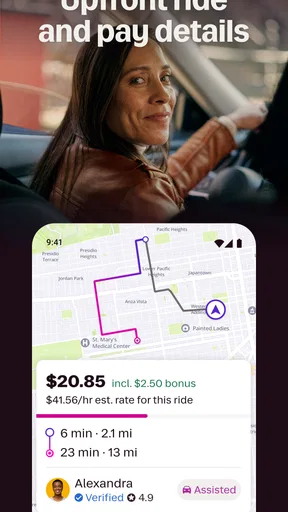
I also found the earnings tracking feature to be pretty slick. You get a clear breakdown of your earnings, bonuses, and incentives. I mean, who doesn’t love seeing those numbers add up? Plus, with instant payouts, you can access your earnings whenever you need them.
Navigation Made Simple
Driving around can be stressful, especially if you’re not familiar with the area. But the app’s built-in navigation system is spot on. I didn’t have to worry about missing turns or getting lost. The real-time updates and traffic alerts kept me on the best routes, saving both time and fuel.
Not only that, but the app also allows you to integrate with popular navigation apps like Google Maps or Waze. So, if you have a personal preference, it’s easy to switch over and get going.
Rider Interactions
Interacting with riders can be one of the highlights of driving for Lyft. The app facilitates smooth communication with passengers, letting you know about any special requests or pickup instructions. This feature came in handy a few times, ensuring I was always in the right place at the right time.
Plus, the rider rating system helps maintain a respectful environment. You can provide feedback and see your ratings, which is a nice way to know how you’re doing. It’s always good to know that your efforts are appreciated!
Flexibility and Freedom
One of the biggest perks of using the Lyft Driver app is the flexibility it offers. Whether you’re looking to make some extra cash on the weekends or want to make it a full-time gig, the choice is yours. The app doesn’t tie you down to a fixed schedule, allowing you to work around your life, not the other way around.
You can even set driving goals within the app, which I found to be a great motivator. Whether it’s a certain number of rides or a financial target, having that visual goal really helps in staying focused and driven—no pun intended!
Final Thoughts
All in all, the Lyft Driver app offers a user-friendly and efficient way to make money on your own terms. It’s perfect for anyone looking to dive into the gig economy while enjoying the freedom that comes with it. The app’s safety features, navigation tools, and earnings management make it a reliable companion for drivers of all levels.
So, if you’re ready to hit the road and explore new opportunities, give the Lyft Driver app a try. It might just be the ride you’ve been waiting for!
Who I’d recommend it to
I’d point a curious first-time rideshare driver toward this app if they’re comfortable driving, want to choose their own hours and are prepared to learn the rhythm of pickups and passenger communication. It can also suit someone who already knows their local roads and wants a way to turn occasional free time into driving shifts. The checklist and linked navigation choices make the first steps less daunting, though the work itself still takes attention and patience.
I’d be more cautious about recommending it to someone who needs guaranteed weekly income, dislikes unpredictable schedules or depends on a vehicle that cannot absorb extra mileage and upkeep. It is also a poor fit for anyone who finds phone-based task switching stressful. The app can organize a driving shift, but it cannot make rideshare work compatible with every budget, car or temperament.
A practical verdict
My recommendation is to approach Lyft Driver as a tool for testing whether rideshare driving suits you, rather than as proof that it will suit you. Start with a modest shift, keep track of the time spent driving and waiting, and compare the result with your own costs and expectations. If that trial feels manageable, the flexible schedule and integrated workflow may be genuinely useful. If you need consistency above all else, or would rather avoid carrying passengers, another kind of work is likely the better choice.
Pros
- User-friendly interface for quick navigation.
- Real-time demand notifications increase earnings.
- Flexible scheduling accommodates personal needs.
- In-app navigation integrates seamlessly with maps.
- Instant payouts available for immediate cash flow.
Cons
- High commission rates reduce driver earnings.
- Frequent app updates can cause disruptions.
- Limited customer support during peak hours.
- Occasional GPS inaccuracies affect routing.
- Background battery usage drains phone quickly.
FAQs for Lyft Driver
What are the requirements to become a Lyft Driver?
To become a Lyft Driver, you must meet several criteria. You need to be at least 21 years old, hold a valid driver’s license, and have a clean driving record. Additionally, you must own or have access to a car that meets Lyft's vehicle requirements, which vary by city. A background check is also mandatory.
How does the Lyft Driver app help manage ride requests?
The Lyft Driver app is designed to streamline your driving experience. It provides real-time ride requests, navigation assistance, and rider details. You can accept or decline rides with a single tap, and the app offers insights into your earnings and ride history. The app also includes features to track your performance and receive feedback.
What are the earning opportunities and payment structure for Lyft Drivers?
Lyft Drivers earn money based on the time and distance of each ride, with additional opportunities for bonuses during peak times or in specific areas. Payments are processed weekly, but drivers can also access their earnings instantly through Lyft’s Express Pay feature. The app provides a detailed breakdown of all earnings, including tips.
Is insurance provided while driving for Lyft?
Yes, Lyft provides insurance coverage for all drivers during active rides. This includes liability, collision, and uninsured/underinsured motorist coverage. Drivers must also maintain their personal auto insurance policy. The insurance coverage applies from the moment you accept a ride request until the trip ends in the app.
How does Lyft ensure the safety of its drivers and passengers?
Lyft prioritizes safety through multiple measures. The app includes an emergency assistance button, real-time ride tracking, and an option to share ride details with loved ones. Drivers undergo thorough background checks, and both drivers and passengers can rate each other after rides. Lyft’s 24/7 support is available for any safety concerns or incidents.


